
The Best Travel-Friendly Stereo Field Recording Kit
A introduction to our latest portable field recording kit. Find all links at the bottom of the post!
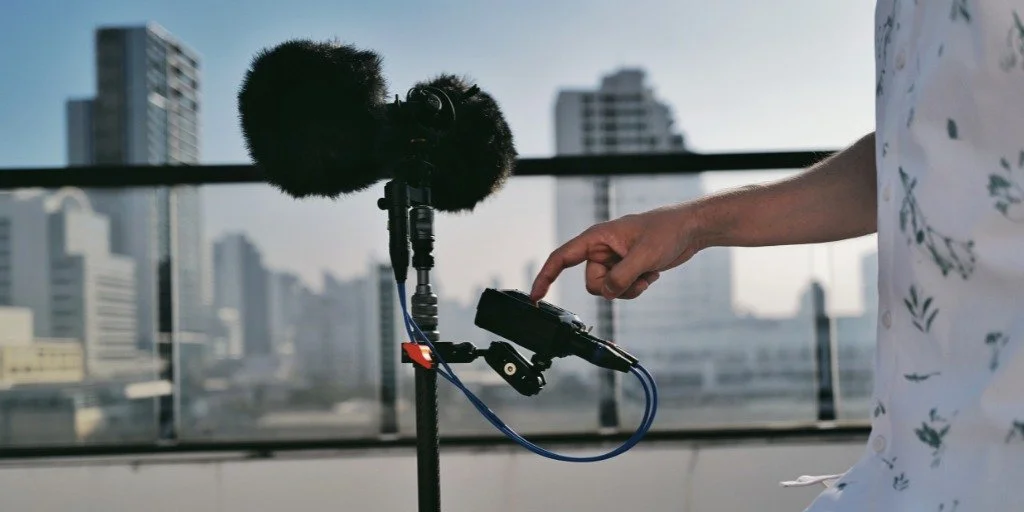
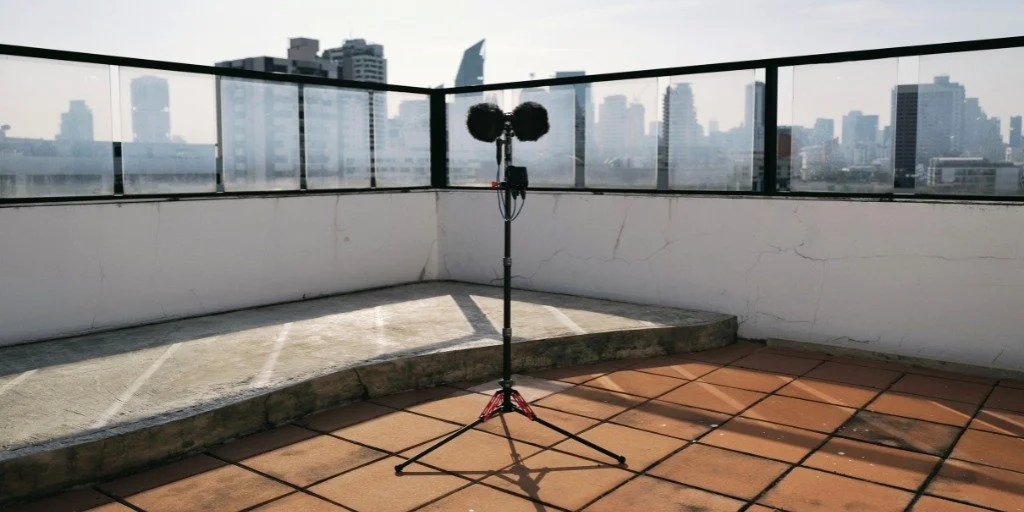
After purchasing the Schoeps ORTF-3D, we knew instantly that we had reached a new level of immersive recording. But we also knew something else just as quickly: There are parts of the world where you simply do not want to walk around with a large, high-visibility, multi-mic rig.
As full-time traveling field recordists, our gear has to balance three things at all times:
• Sound quality
• Weight
• How much attention it draws
And that is where this new stereo rig fills right in.
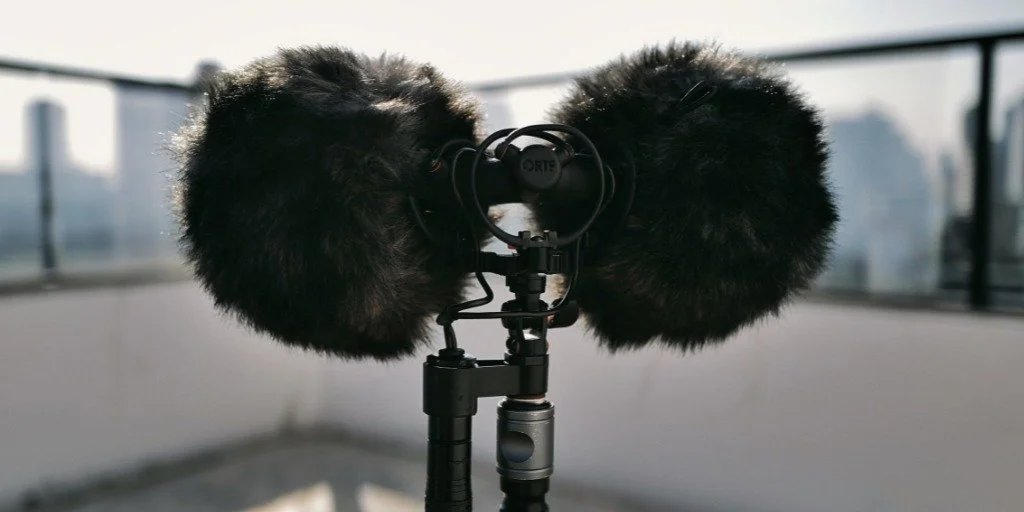
Why We Needed a Smaller ORTF Rig
I have always been a huge fan of ORTF.
It gives you real width, depth, and localization while still feeling natural and stable in headphones and speakers. We already own a Cinela Albert with Sennheiser MKH 8040s, which is a fantastic stereo rig. But it is still fairly large, and in some countries it simply attracts too much curiosity.
So the goal became very clear:
Build something that sounds like a serious ORTF rig, but packs small, sets up in seconds, and does not scream “expensive audio gear.”
The Core: Cinela Osix CCM
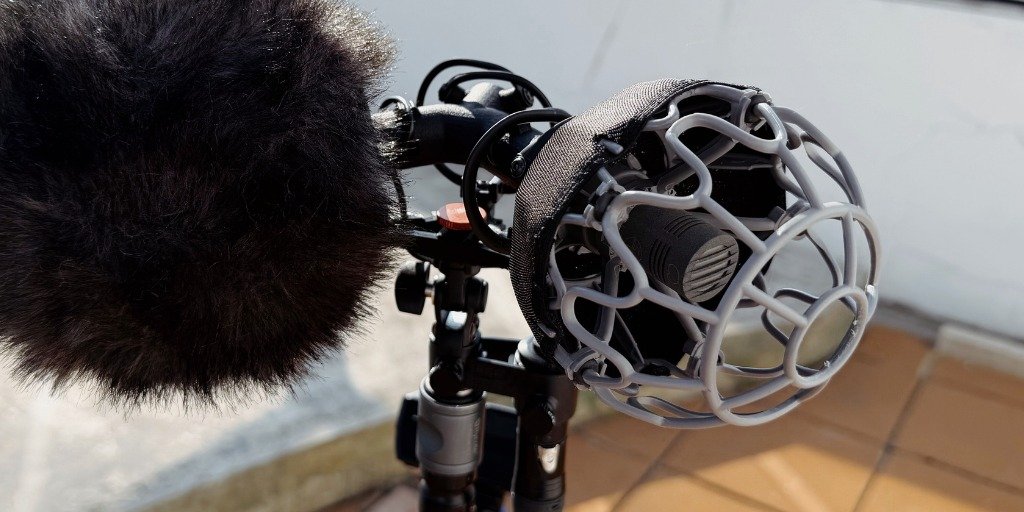
It is beautifully engineered, extremely compact, and designed specifically for Schoeps CCM microphones. It gives us a rock-solid ORTF geometry in a form factor that fits in a small bag.
We currently use Schoeps CCM 41 capsules from our DMS kit. They screw directly into the Osix, which means we do not need separate preamps or cables between capsule and body. Fewer connections, fewer problems.
For outdoor recording we added the Cinela Leo 20, which gives proper wind protection without turning the rig into a huge blimp.
A small but important tip:
If you need custom-length cables, Cinela will make them for you. Just email Philippe and tell him your setup. We did this so everything packs tightly and cleanly with no cable mess.
Mounting the Rig
To keep this kit fast and flexible, we use gear we already trust.
Our go-to stand is the Ulanzi light stand. It is strong, very lightweight, and more than capable of holding the Onix + Leo.
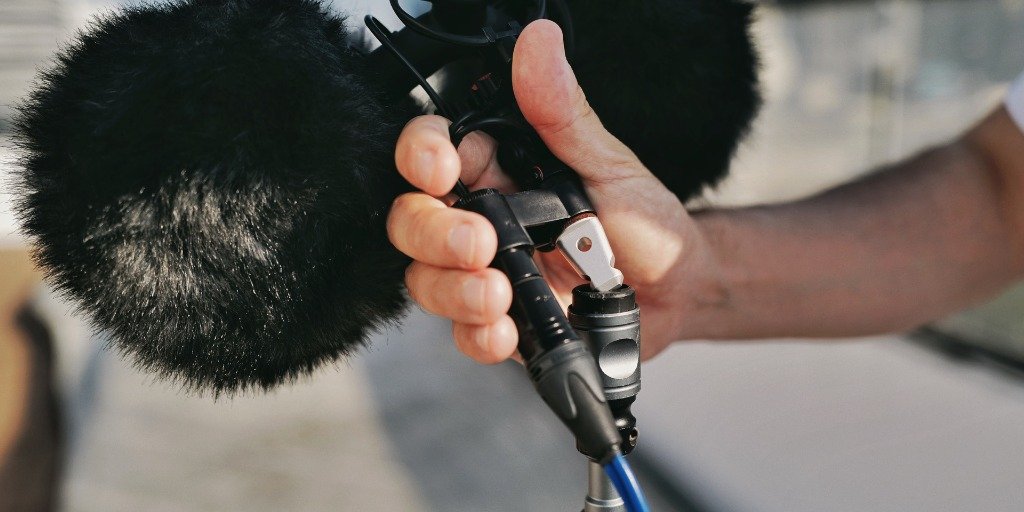
You could mount the rig directly using a thread adapter, but we prefer using a quick-release system. We have used the Rycote Boom Quick Release for years, and it is perfect for this.
Other great options are:
Ambient quick release
Centerstage
The key is being able to drop the rig on or off the stand in seconds when you need to move.
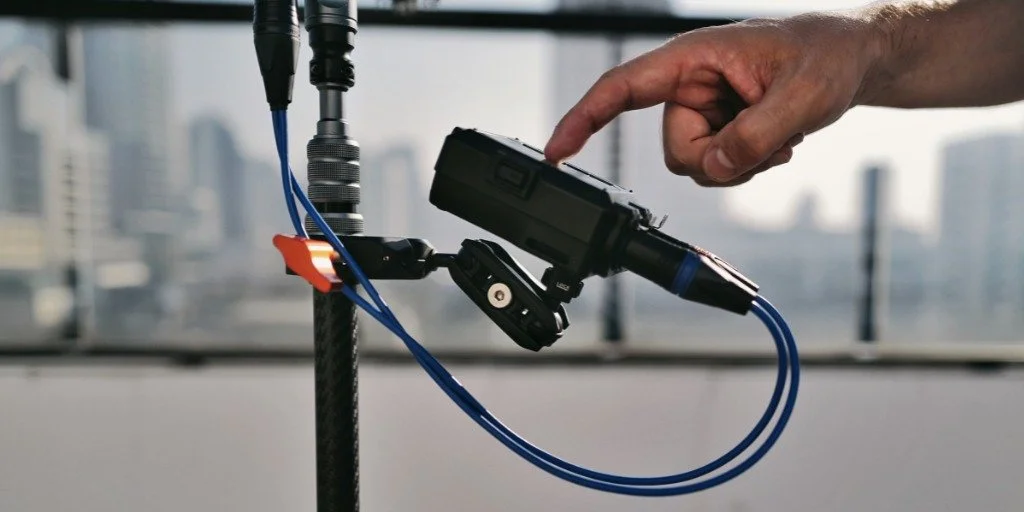
Recorder Mounting
Our travel recorder for this setup is the Tascam FR-AV2. We made a full video about it, and for us it is the ideal combination of size, sound, and reliability.
If you want to go even smaller, the Zoom F3 also works beautifully with this rig.
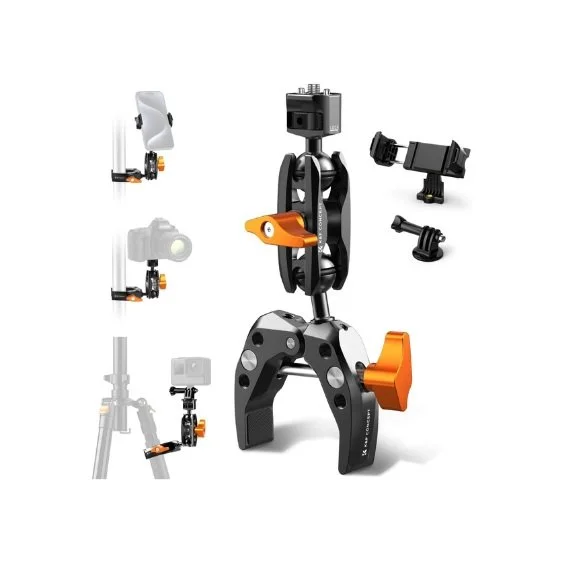
To mount the recorder, we use a K&F arm with a clamp attached to the light stand. This lets us position the recorder exactly where we want it and move quickly when recording in public spaces.
Important warning:
Do not overtighten the clamp on carbon fiber stands. You can crack the tube if you are not careful.
Using a Tripod Instead
When we want a more stable base for longer recordings, we use the Ulanzi Zero Y tripod.
It has a standard thread, so we can remove the clamp and mount the arm directly to the tripod. It is slower than the clamp, but much safer if you plan to leave the rig running unattended.
The Result
This is not the cheapest setup in the world.
But it gives us something extremely rare:
True high-end ORTF stereo in a travel-friendly, low-profile, fast-deployable rig. We can go from backpack to recording in seconds, capture broadcast-quality ambiences, and move on without attracting attention.
And for traveling sound designers and field recordists, that is priceless.
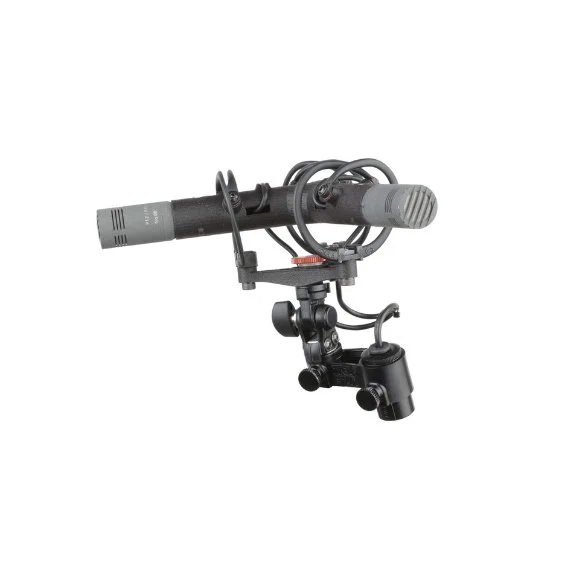
Cinela Osix CCM


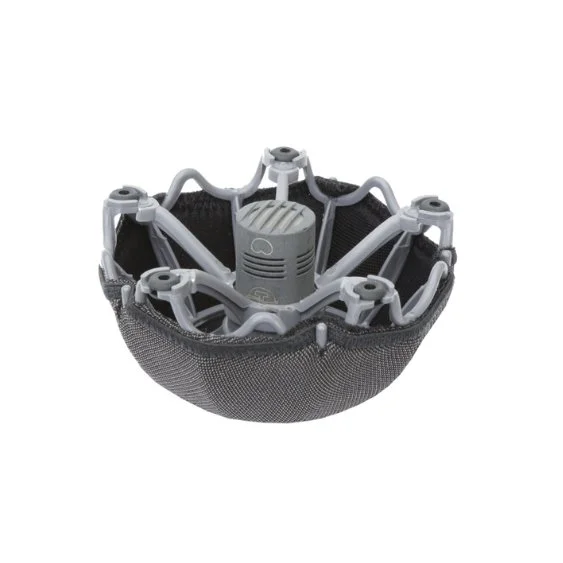
Cinela Leo 20
